
XiaoMi-AI文件搜索系统
World File Search SystemTelnet

M4300 Intelligent Edge 系列全网管可堆叠交换机、M4300 系列交换机、M4300-96X 模块化交换机、命令行 (CLI) 参考手册、软件版本或发行版 12.0.15
配置交换机管理 CPU.......................................................................................................................................................................................................54 CPU 队列命令.....................................................................................................................................................................................................................................................................57 管理接口命令.....................................................................................................................................................................................................................................................................58 IPv6 管理命令..................................................................................................................................................................59 . . . . . . . . . . . . . . . 65 控制台端口访问命令 . . . . . . . . . . . . . . . . . . . . . .70 Telnet 命令 . . . . . . . . . . . . . . . . . . . . . . . .72 安全 Shell 命令 . . ...

带ETD和XDR
从:11.12.13.14 $ telnet alln-mx-01.cisco.com 25尝试173.37.147.230 ...连接到alln-mx-01.cisco.com。逃脱字符是'^]'。220 alln-inbound-e.cisco.com esmtp helo mail.sender.com 250 alln-inbound-e.cisco.com邮件发出: 250 sender admin@sender.com> rcpt to: 250 coce.com> 250 coteent indry test test test:test:一个(用户1)user1@cisco.com
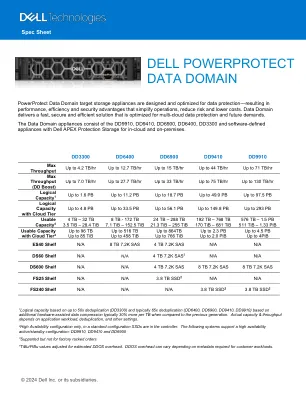
dell PowerProtect数据域
Global Compression™, Data Invulnerability Architecture, including inline verification and integrated dual disk parity RAID 6, snapshots, telnet, FTP, SSH, email alerts, scheduled capacity reclamation, Ethernet failover and aggregation, Link Aggregation Control Protocol (LACP), VLAN tagging, IP aliasing, DD Boost, DD Encryption, DD Extended Retention, DD Retention锁定,DD虚拟磁带库(VTL)(用于开放系统和IBMI操作环境)。可用的附加组件包括:DD Boost,用于长期保留,云灾难恢复和DD复制器的云层。
Fortimail-7.4.3-Administration Guide.pdf
更改日志15电子邮件概念和过程工作流16电子邮件协议16 SMTP 16 POP3 17 IMAP 17 HTTP和HTTPS 17客户服务器连接SMTP 17 MTA 18 MTA 18 MUA 18 MUA 18连接方向性与电子邮件方向性18 DNS DNS在电子邮件交付中的作用18 dns在电子邮件交付中的角色 23 Advanced delivery features 23 Antispam techniques 24 Order of execution 26 FortiMail operation modes 31 Gateway mode 32 Transparent mode 32 Server mode 32 FortiMail high availability 33 FortiMail management methods 33 Basic mode versus advanced mode 33 Setting up the FortiMail system 34 Connecting to the GUI or CLI 34 Connecting to the FortiMail GUI for the first time 34 Connecting to the FortiMail CLI for the first time 36 Local console connection and初始配置36通过网络(SSH或TELNET)启用CLI 38 38使用SSH 39使用Telnet 40连接到CLI连接CLI 40从CLI控制台41登录,使用前面板的控制按钮和LCD的LCD lcd的lcd and LCD显示操作模式41 Deploting guipertical Mode 41 traperiation 41特征42特征42特征42特征42特征42特征
火箭安全壳
Rocket®安全外壳是一种全面的安全解决方案,可以保护主机系统(Mainframes,Unix®服务器和X Window System™应用程序)之间的网络流量,包括Internet通信)以及远程PC和Web浏览器。在Rocket®ExpeR或Rocket®Hostexplorer中包含时,它提供了安全的Shell 2(SSH-2),安全套接字层(SSL),Lipkey和Kerberos安全机制,以确保通信类型的安全性,例如X11,NFS,NFS,末端模拟(Telnet),FTP),FTP和任何TCP/IP协议。火箭安全外壳加密数据,以满足FIPS 140-2等最艰难的标准和要求。
Fortimail-7.6.1-Administration guide.pdf
更改日志15电子邮件概念和过程工作流16电子邮件协议16 SMTP 16 POP3 17 IMAP 17 http和https 17客户服务器连接SMTP 17 MTA 18 MTA 18 MUA 18 MUA 18 MUA 18连接方向性与电子邮件方向性18 DNS DNS在电子邮件交付中的作用18 dns在电子邮件交付中的角色23高级交付功能23反帕姆技术23执行顺序26 Fortimail操作模式31网关模式31透明模式32服务器模式32 Fortimail高可用性32 Fortimail Management方法33基本模式与高级模式33建立Fortimail System 34连接到GUI或CLI 34连接到Fortimail Gui的首次连接34 COLLITIOL 34连接到Fortimail 34,该连接连接到Fortimail 34,配置36通过网络(SSH或TELNET)启用CLI 38使用SSH 39连接到CLI 39使用Telnet 40连接到CLI 40使用前面板的控制按钮从CLI Console 41登录,使用前面板的控制按钮和LCD LCD的LCD和LCD的LCD 41选择操作模式41 Deploting Mode 41 trecription treplation Guigity 41 traperication 41 traperication 41 tragity Mode 41 <网路模式42特征42特征42特征42特征范围<
AI在下一个CCNA中
2.5.a Root port, root bridge (primary/secondary), and other port names 2.5.b Port states and roles 2.5.c PortFast 2.5.d Root guard, loop guard, BPDU filter, and BPDU guard 2.8 Describe AP and WLC network device management access (Telnet, SSH, HTTP, HTTPS, console, TACACS+/RADIUS, and cloud managed ) 6.4 Compare traditional campus device management with Cisco启用DNA中心的设备管理。6.4在网络操作中解释AI(生成和预测性)和机器学习6.5描述基于静止的API(身份验证类型,CRUD,HTTP动词和数据编码)的特征6.6识别配置管理机制的能力,例如Pupp,Pupp,Chef,Chef,Ansible和Terraform
国防数据网络安全架构
DCA 运营几种特殊主机。监控中心 (MC) 是次级骨干元素,用于管理交换机、中继线以及属于 DCA 的其他特殊主机和网络计算机的运行。名称服务器主机转换地址。终端访问控制器 (TAC) 是提供第二种有限方式获取 DDN 服务的主机。用户设备可以(通常通过拨号)连接到 TAC,而不是连接到交换机,在这种情况下,DDN 将该设备称为终端。TAC 提供 TELNET 协议服务,使终端能够使用 DDN 与第二个 DDN 主机通信,就好像终端直接连接到第二个主机一样 (11]。MILNET 和 ARPANET 现在使用,而 DISNET 将使用,TAG 访问控制系统 (TACACS),使用户登录 TAC。