
XiaoMi-AI文件搜索系统
World File Search Systemserendipity
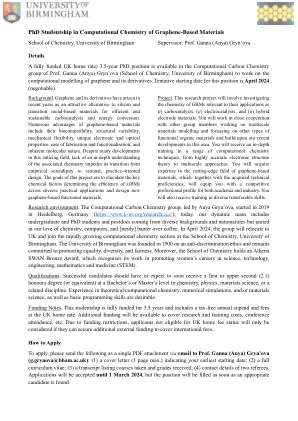
石墨烯计算化学的博士学位...
背景。石墨烯及其衍生物已成为硅和过渡金属材料的有吸引力的替代品,可有效,可持续的碳催化和能量转化。基于石墨烯的材料的许多优势包括它们的生物相容性,结构可变性,机械灵活性,独特的电子和光学性能,易于制造和功能化以及固有的分子性质。尽管在这个诱人的领域中有很多发展,但对相关化学的深入了解仍缺乏深入的理解,这阻碍了其从经验偶然性到理性,实践导向的设计的过渡。该项目的目标是阐明决定GBM在各种实际应用中效率并设计新的基于石墨烯的功能材料的关键化学因素。

药物再利用:机遇与挑战
药物再利用机会通常是由偶然发现和患者需求而非知识产权驱动的。尽管专利可能被视为法律障碍,但它们可以与其他激励措施一起在将再利用药物提供给患者方面发挥重要作用——尤其是通过吸引工业合作伙伴,这可以帮助推动项目向前发展并提高其成功的可能性。“如果您在产品开发战略的早期就考虑知识产权和其他激励措施并采取正确的措施,则可以提高药物到达患者的前景,”妮可建议道。每种药物再利用机会都是独一无二的,因此没有“一刀切”的知识产权战略。但对于任何项目来说,在早期阶段进行知识产权搜索都是必不可少的——在考虑采用哪种商业模式将产品推向市场时,找出已经存在的内容。
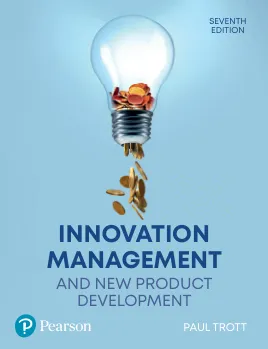
创新管理和新产品开发
创新的重要性 4 创新研究 7 创新研究的两大传统:欧洲和美国 9 近期和当代研究 10 需要在组织背景下看待创新 10 创新过程中的个人 12 定义和词汇问题 12 创业 13 设计 13 创新和发明 15 成功和不成功的创新 16 不同类型的创新 16 技术和科学 18 创新的流行观点 20 创新模式 21 偶然发现 21 线性模型 22 同步耦合模型 23 架构创新 23 交互模型 24 创新生命周期和主导设计 25 开放式创新以及共享和交换知识的需要(网络模型) 26 创新的执行、使用和交互 (DUI) 模式 27 不连续创新 - 阶梯式变化 28 创新作为一种管理过程 30 创新管理框架 30 新技能 33 创新和新产品开发 34
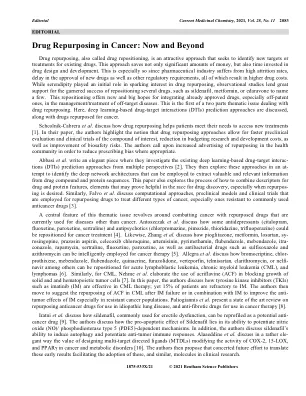
癌症药物再利用:现状与未来
药物再利用,也称为药物重新定位,是一种有吸引力的方法,旨在为现有药物确定新的靶点或治疗方法。这种方法不仅可以节省大量资金,还可以节省药物设计和开发的时间。这尤其适用于制药行业,因为高流失率、新药审批延迟以及其他监管要求都会导致药物成本上升。虽然偶然性最初激发了人们对药物再利用的兴趣,但观察性研究为重新定位几种药物(例如西地那非、二甲双胍或依达拉奉等)的成功提供了巨大的支持。这种重新定位为整合已获批准的药物(尤其是非专利药物)用于脱靶疾病的管理/治疗带来了新的希望。这是关于药物再利用的两部分专题中的第一部分。这里讨论了基于深度学习的药物靶标相互作用 (DTI) 预测方法,以及用于治疗癌症的药物。
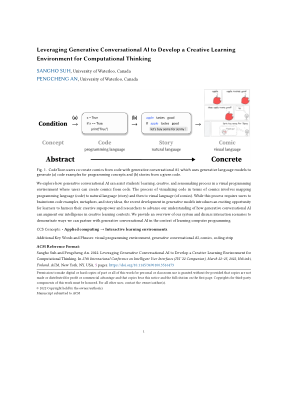
Sangho Suh 和 Pengcheng An。2022 年。利用生成式对话式人工智能为学生开发创造性学习环境
[1] Juris Hartmanis。1994 年。图灵奖演讲:论计算复杂性和计算机科学的本质。ACM 通讯 37,10(1994 年),37-44。[2] Samuel Ichiyé Hayakawa 和 Alan R Hayakawa。1990 年。思想和行动中的语言。霍顿·米夫林·哈考特。[3] Ronald S Lenox。1985 年。为偶然发现而教育。化学教育杂志 62,4(1985 年),282。[4] Lori McCay-Peet 和 Elaine G Toms。2010 年。知识工作中的偶然发现过程。在第三届情境中信息交互研讨会论文集。377-382。[5] Sangho Suh。 2020. 通过支持抽象阶梯内的相互作用促进有意义的学习。2020 年 IEEE 视觉语言和以人为本计算(VL/HCC)研讨会。IEEE,1-2。[6] Sangho Suh、Martinet Lee、Gracie Xia 等人。2020. 编码条:一种通过漫画教授和学习编程概念的教学工具。2020 年 IEEE 视觉语言和以人为本计算(VL/HCC)研讨会。IEEE,1-10。[7] Jeannette M Wing。2006. 计算思维。ACM 通讯 49, 3 (2006),33-35。
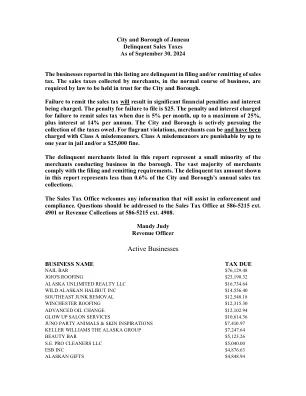
活跃的业务
LORENZOS GENERAL CONTRACTOR LLC $4,613.00 A LITTLE BAZAAR $3,818.68 CONCEPT CAFE $3,776.66 GLACIER SALT CAVE & SPA LLC $3,713.79 JUNEAU BNB LLC $3,585.80 SERENDIPITY LLC $3,575.27 REKLAW BUILDERS $3,435.06 LIKE NEW CLEANING SERVICE $ 3,237.92 SPICE LLC $ 2,930.16 A&A Handyman服务$ 2,418.75 Sentinel咖啡和茶$ 2,402.502.50 PAWS PAWS,美容$ 2,038.16 Green Hammer服务$ 1,817.03 Energy Works $ 1,555.21开始智能簿记服务有限责任公司$ 1,549.86 Bloom Childrens Art Studio $ 1,538.65 FERA摄影$ 1,421.34 Juneau Motal Wearth Motal Wearth Motal Wearth Wearth Wearth Wearth Wearth Wearth Compart $ 1,379.01 Ales Bakery $ 1,36666.57 Lililac Meltect.95 lililac $ 1,1,33999999999999999.9599999999.9599599999.959595.959599999999.99999999999.95级。 $1,262.47 FIRENATION $1,191.25 ROOTS AK $1,050.74 RICKSHAW REEF $1,020.00 FAMILY TREE $948.01 HAIR BY MCKAYLA H SP $805.00 SE MONITORING AND COMPLIANCE SERVICES LLC $802.38 CLEAR VIEW PLOWING LLC $731.97 MINERS HALL $666.41 SHARA KAY TATTOO $515.54 UNIFI AVIATION LLC $494.26 ALPINE OFFICE CENTER $404.24 SOUTHEAST 3D PRINTING $248.25 RAVENS CREATIONS $242.37 HAIR TODAY BY APPOINTMENT ONLY LLC $193.35 EQUIFAX WORKFORCE SOLUTIONS LLC $188.37 ERIKA MOSER FAGERSTROM $187.65 GLACIER SWEETS $177.88 MONAT GLOBAL CORP $169.85 M&G Rentals LLC $ 136.67 Re Fried Nanos Grill $ 131.32 KMJ Enterprises LLC $ 129.22 Gold Street B&B $ 128.73总计$ 281,917.79
生物医学研究的限制:是否、为何以及如何
确定是否应该有限制,如果需要,那么应该是硬限制还是软限制。我使用红灯、黄灯和绿灯的交通信号灯来打比方。硬限制就像红灯,软限制就像黄灯,而没有限制就像绿灯。学术界对这三种方法都有争议。诺贝尔奖获得者生物学家戴维·巴尔的摩 (David Baltimore) 考虑了社会是否应该限制生物研究,因为“……研究结果可能损害当代社会既定的社会规范和关系”。2 他的结论是,社会不应该也不能限制生物医学研究。他认为这种限制不切实际、不可行,而且会破坏社会秩序。他认为限制科学会带来许多重大风险。首先,他指出是“未来主义的错误”,即认为我们对未来了解不够。 3 由于我们无法预测未来,我们做出的任何可能影响未来的决定都可能基于对未来发生的错误假设。其次,限制生物医学研究会破坏促进我们理解和选择的更新过程,因此可能是有害的。4 第三,限制生物医学研究可能导致恐惧、不信任和动乱。限制可能是出于政治或意识形态动机,并可能由某些公众人物推动,可能会导致公众对整个研究工作不信任。最后,限制研究是不切实际的,甚至是不可能的。5 巴尔的摩认为,我们可以限制研究的数量,但不能限制研究的类型。总统生物伦理问题研究委员会 (Commission) 认为,民主依赖于知识自由,以及个人和机构以道德负责的方式利用其创造潜力的责任。此外,进步要求我们让人们自由地追求他们的科学兴趣。从历史上看,大量的科学发现是偶然发现或个别科学家追求自己兴趣的结果。委员会得出结论,
实践中的开放协作策略
关键特征Espoo的创新生态系统是北欧的领先创新中心。在诺基亚公司的家中,当地的生态系统已经经历了蓬勃发展的创业热点的重大过渡。芬兰初创公司Boom和芬兰的大多数独角兽和Slush Startup everts一起出生在Espoo中。共同创造是Espoo之城策略的指导原则,即Espoo故事。因此,Espoo通过公开的协作战略实施其经济政策。输入Espoo的运营模型也是基于协作。偶然性,相遇和事件创造了未来的增长。输入Espoo策划生态系统,支持国际公司和投资者与芬兰创新生态系统互动,并帮助当地参与者取得成功。Enter Espoo成功的度量是其客户和生态系统参与者的成功。生态系统的主要参与者在Enter Espoo公司和咨询委员会上。Business Espoo是公司和企业家的服务网络。该网络由共同努力的公共和私人组织组成。Business Espoo提供服务为一站式服务,并不断开发其服务以面向客户,具有成本效益和高质量的服务。使客户路径尽可能流动效率。Espoo市已与Aalto University和VTT技术研究中心建立了战略合作伙伴关系。两者都是芬兰创新的主要驱动力,总部位于Espoo中。将城市,阿尔托大学和VTT共同加强了Espoo的创新生态系统,致力于碳中性的未来,发展该市作为服务模式,并提高Espoo对国际公司,组织和人员的吸引力。Espoo城市也是领先的共同创建平台和网络中的积极活跃的参与者。例如,纽约市是芬兰人工智能中心(FCAI)的创始成员,他是Smart Otaniemi的主要合作伙伴,Smart Otaniemi,Smart City Solutions的全国共同创建平台,Luxturrim5g是建立诺基亚总部邻近智慧城市的数字骨干的生态系统。城市组织作为与Espoo品牌制造的共同创建平台开放。
CRISPR 革命:基因组编辑的新时代
Dr. Pratibha Tiwari DOI: https://doi.org/10.33545/26174693.2024.v8.i1Sg.382 Abstract This article provides an in-depth exploration of CRISPR-Cas9, a ground breaking genome editing technology that has revolutionized the field of genetic research. It begins with a historical overview of CRISPR, tracing its origins from a natural defense mechanism in bacteria to its development into a powerful tool for precise genetic manipulation. The mechanism of action of CRISPR-Cas9 is then elucidated, highlighting its role as a molecular scissor guided by RNA to target specific DNA sequences for editing. The transformative impact of this technology on genetic research is discussed, emphasizing its contributions to various scientific domains, including medicine, agriculture, and bioengineering. Furthermore, the article addresses the ethical considerations and debates surrounding genome editing, particularly the implications of germline modifications and the potential for misuse. Potential applications and future directions of CRISPR-Cas9 are explored, revealing its vast possibilities in treating genetic disorders, enhancing crop resilience, and more. This comprehensive review underscores the significance of CRISPR-Cas9 in advancing genetic research while acknowledging the need for responsible and ethical application in this rapidly evolving field. Keywords: CRISPR-Cas9, DNA, RNA, genetic research, genes etc. Introduction In the annals of scientific discovery, few innovations have sparked a revolution quite like the advent of CRISPR-Cas9 genome editing technology. This ground breaking tool has not only reshaped our understanding of the genetic blueprint of life but has also opened up a realm of possibilities that were once relegated to the realm of science fiction. Genome editing, a concept that involves the precise alteration of DNA within a living organism, has transitioned from a complex and costly endeavor to a more accessible and accurate technique, thanks to CRISPR-Cas9 [1, 5] . The story of CRISPR-Cas9 is one of serendipity and ingenuity, rooted in a quest that began decades ago. It's a narrative that winds its way from the discovery of restriction enzymes in the 1970s to the intricate mechanisms of bacterial immune and is crucial, as it lays the foundation for understanding how CRISPR-Cas9 evolved from a natural phenomenon into a formidable tool in genetic engineering [6, 12] . Today, CRISPR-Cas9 stands at the forefront of modern biology, heralding a new era of genetic exploration and manipulation. Its significance cannot be overstated; it is not merely a tool for editing genes but a gateway to potential cures for genetic diseases, advancements in agricultural resilience, and solutions to ongoing environmental challenges and it sets the stage for an in-depth exploration of CRISPR-Cas9, delving into its development, mechanism, and the profound impact it has on our approach to biology and medicine [13] . CRISPR-Cas9: Mechanism and Development The CRISPR-Cas9 system, a revolutionary tool in the field of genetic engineering, represents a significant leap forward in our ability to modify DNA with precision and efficiency. This section of the article delves into both the intricate mechanism of CRISPR-Cas9 and its developmental journey from a bacterial defense strategy to a cutting-edge tool in genome editing [14] . Mechanism of CRISPR-Cas9 The CRISPR-Cas9 system originates from a natural process used by bacteria to protect themselves against invading viruses.