XiaoMi-AI文件搜索系统
World File Search SystemSCI

美国国家科学基金会(NSF)
学习科学研究所 (LSRI) 是一个校园范围内的多学科单位,致力于改进教学和学习,其多名教师已成功获得 NSF 在 STEM 教育领域的资助。两个当前项目和一个最近完成的项目专注于培养教师参与教学和评估的能力,这与 K-12 科学教育框架和下一代科学标准中所代表的多维科学能力愿景相一致。这三个项目涵盖 3-12 年级,涉及与芝加哥公立学校和周边地区的教师的合作。除了培养教师设计符合标准的高质量教学的能力外,其中两个项目还包括开发旨在支持课堂形成性评估实践的免费资源,这些资源正在通过技术门户广泛传播。

FORENSIC SCIENTIST – 20804 - Alabama State Personnel
The Forensic Scientist is a permanent, full-time position with the Department of Forensic Sciences. Positions are located throughout the state. Employees are responsible for full performance and casework or directed research in the field of forensic sciences requiring considerable experience in the discipline areas of Drug Chemistry, Forensic Biology, Firearms/Toolmarks, Fire Debris, Toxicology, or Implied Consent. MINIMUM REQUIREMENT(S) • For the promotional register, current, permanent Merit system status as a Forensic Scientist, Associate with the Department of Forensic Sciences • Bachelor's degree from an accredited* college or university with a major in Chemistry, Biology, Bio-Chemistry, Medical Technology, Pharmacology, Medicinal Chemistry, Genetics, Physics, Toxicology, Chemical Engineering, Mathematics, or closely related field (*see reverse for our policy on accepting post-secondary and advanced degrees). • Three (3) years of scientific laboratory experience in one or more of the following areas: • Conducting lab work (extractions, separations, identifications) within an accredited forensic laboratory to include documented progress and/or completion of a forensic laboratory training program (**See Notes) • Performing Evidentiary Breath Testing (EBT) calibrations, or • Conducting directed research in forensic science to include documented participation and progress in forensic laboratory validation studies, and/or the publication of scientific papers ADDITIONAL REQUIREMENT(S) • Applicants must submit an official college transcript for each accredited* postsecondary academic institution attended. Please see our website for more information regarding our transcript policy.

人工智能科学硕士
Application at a Glance 3 Application Checklist 3 Important Dates 3 Fall Application 3 Spring Application 3 Eligibility Requirements 4 Bachelor's Degree 4 GPA 4 Preferred Qualifications 4 Relevant Education 4 Relevant Background 4 Step 1 5 Apply to the Graduate School at The University of Texas at Austin 5 Step 2 6 Pay the Application Fee 6 Step 3 7 Upload Remaining Application Items to Your MyStatus Portal 7 Program Requirements 7 Optional Program Items 8 Office of Graduate Admissions (OGA)需求8步骤4 9发送测试分数9步骤5 10查看您的状态10重要日期10秋季申请10春季申请10提交10

国家科技创新...
为了达到本文全文中概述的预期经济表现水平和尼日利亚当前在许多领域的经济发展目标,未来几年内必须大幅增加对科技创新的投资。传统上,尼日利亚在科技创新和研发方面的投资很少。在全球市场上与尼日利亚竞争的大多数国家将其国民生产总值的 2% 以上用于研发,利用其原材料(有时是进口的)制造新产品并在全球范围内销售,以获得创造国内就业机会、改善社会服务和提升国家声望的优势。尼日利亚现在正准备通过 2030 年国家科学技术综合路线图做同样的事情,该路线图是在详细审查了尼日利亚自 1960 年独立以来的国家经济发展计划中未实现的目标以及困扰这些计划的技术不足之后制定的;对当前路线图和所有倡议的科技创新需求进行了评估。

UCD农业,食品科学和人类...
农业和食品科学学院是UCD最大的学校之一,对于希望学习农业,园艺,林业,食品科学和人类营养的学生来说,爱尔兰是爱尔兰首选的首选目的地。我们为学校的悠久传统感到自豪,其起源可追溯到1838年在阿尔伯特学院和格拉斯内文模特农场。Now, ranked number one in Ireland, twenty-fourth globally and fourth in Europe for the study of Agricultural Sciences and number one in Ireland, 3rd in Europe and 15th globally for the study of Food Science and Technology (US News and World Report Subject Ranking 2024), students at the UCD School of Agriculture and Food Science will be exposed to the latest scientific research, discovery and knowledge that underpins each of our four-year荣誉学位课程。
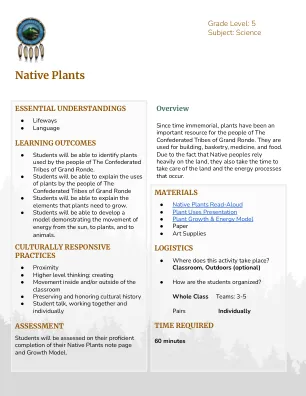
5.Sci。植物课程计划
a。“该模型向我们展示了植物需要生长的东西,以及如何将植物的能量从植物转移到其他生物。” b。“看着这种模型,植物需要生长哪些东西?” (阳光能量,土壤,水,二氧化碳或空气,空间等的矿物质等)c。 “在这种模型中,植物被称为“生产者”。动物和人被称为“消费者”。动物和人们消耗植物和其中的能量。” 4。接下来,学生将使用Read-Aloud中讨论的本地植物之一创建自己的植物生长和能源模型。学生将需要在其模型中包括以下项目

1 VC和Physcial(Hybrid)模式IA(IBC)474/2024 ...
收据(b)可退还的申请费1,00,000 1,47,09,735 EMD由成功投标人存入12,14,400余额考虑的余额考虑为1,33,29,600延迟付款的利息 @12%的延迟付款 @12%的12%,总计15 65,735总计(b)1,47,09,735 3 3付费(c)。电子拍卖过程成本为2,714 II。Fees of the Liquidator 10,37,295 iii Fees of the Support professionals 4,05,000 iv Legal Counsel Fees 1,35,000 v Legal opinion fees 20,000 vi Publication costs (Public Announcement, 48,616 vii Others (GST and TDS) - GST 58,500 2,44,982 - TDS 1,86,482

材料科学与冶金学
本课程旨在提供从家庭到各种工程应用中使用的金属冶金方面的基础知识。它涵盖了材料的基本方面、晶体结构及其表示,以及材料中存在的各种缺陷。然后,讨论了合金化的必要性及其相图中发生的相应变化。特别关注工业中广泛使用的重要黑色和有色合金。包括通过不同的热处理工艺及其微观结构变化来定制材料性能。最后,课程以对金属以外的材料的讨论结束,其中包括聚合物、陶瓷和复合材料等先进材料。课程成果:在课程结束时,学生将能够 1. 解释晶体结构及其缺陷的基本概念,并在立方晶胞中绘制晶体点、方向和平面。2. 解释合金二元相图中存在的各种相,并计算相的质量分数。3. 推荐热处理工艺以实现钢性能的期望变化。 4. 根据性质和应用,区分铁合金和有色合金。根据性质和应用,对聚合物、陶瓷和复合材料进行分类和解释。
人工智能是科学研究的创新工具
AI在科学研究中的应用是扩展和多样化的。<可以计算出主要应用领域的神圣:医学和生物科学:IA用于发现新药,开发个性化治疗并改善医学诊断[8]。例如,自动学习用于分析医学图像并检测早期体育场中的癌症,其准确性通常超过人类医生的疾病[9];物理和天文学:在物理领域,IA用于模拟颗粒并研究黑洞等现象[10]。<天文学的div,基于AI的工具可以实时发现新的系外行星和对宇宙事件的监视[11];计算化学:基于IA的系统用于预测新分子的结构和行为